

04 Jun Compression Fractures: Vertebroplasty vs Kyphoplasty
Comparative Biomechanical Analysis of Specialized Bone Cements
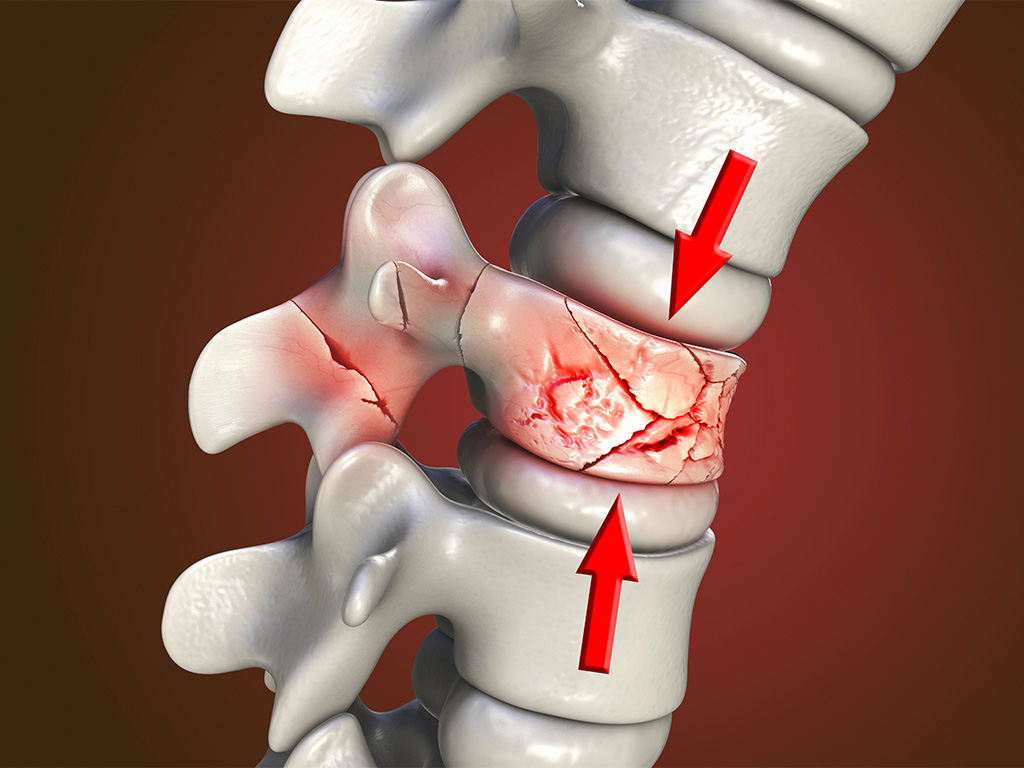
Spinal compression fractures can really throw a wrench in things, causing a lot of pain and making everyday life tough. When these fractures happen, especially due to things like osteoporosis or injuries, doctors have ways to help fix them. Two common procedures that come up are vertebroplasty and kyphoplasty. They both involve using special bone cements to stabilize the broken bone, but they do it a bit differently. We’re going to take a look at how these two procedures stack up, biomechanically speaking, to see what makes them tick and how they help people get back on their feet.
Key Takeaways
- Vertebral compression fractures, often linked to osteoporosis, can cause significant pain and spinal instability.
- Both vertebroplasty and kyphoplasty use bone cement to stabilize fractured vertebrae, but differ in technique.
- Kyphoplasty involves creating a cavity and restoring vertebral height with a balloon before cement injection, potentially reducing adjacent fractures.
- Vertebroplasty is a more direct cement injection into the fractured vertebra, generally quicker but without height restoration.
- The choice between vertebroplasty vs kyphoplasty depends on the specific fracture characteristics, patient condition, and desired biomechanical outcome.
Understanding Vertebral Compression Fractures
Causes and Risk Factors
Vertebral compression fractures, often just called VCFs, are basically when one of your spinal bones, called a vertebra, collapses. This can happen for a bunch of reasons, but the most common culprit is osteoporosis. You know, that condition where your bones get weak and brittle. It’s like trying to build a house with really old, crumbly bricks – they just can’t handle the weight anymore. Women, especially after menopause, are at a higher risk, but men can get it too. Other things that can lead to these fractures include long-term steroid use, certain cancers that spread to the bone, or even just a direct injury, like from a fall or a car accident. Sometimes, it’s a combination of factors, making the bone more fragile over time.
Symptoms and Diagnosis
Spotting a compression fracture isn’t always straightforward. Sometimes, people don’t even realize they have one until they notice they’re getting shorter or their back is starting to look more rounded. The most common symptom is a sudden, sharp pain in the back, often right where the fracture happened. This pain can get worse when you move around, stand, or sit for too long, and it might feel a little better when you lie down. Some folks might also feel numbness or tingling down their legs if the fractured bone presses on a nerve. To figure out what’s going on, doctors usually start with a physical exam and then order imaging tests. X-rays are a good start, but CT scans and MRIs give a much clearer picture of the bone and surrounding tissues. It’s all about getting a detailed look to see exactly what’s happening with the vertebrae.
Impact on Spinal Health
When a vertebra collapses, it’s not just a minor inconvenience; it can really mess with your spine’s overall health and how well it works. Think of your spine like a well-built tower – each bone stacked neatly on top of the other. If one of those blocks crumbles, the whole structure can become unstable. This can lead to a loss of height, a hunched-over posture (sometimes called kyphosis), and chronic back pain that just doesn’t quit. It can also affect your ability to move freely, making everyday tasks like bending, lifting, or even just walking a real challenge. Over time, this can really impact your quality of life, making you feel less independent and more limited in what you can do.
The spine is a complex structure, and damage to even one part can have ripple effects throughout the entire system, affecting nerves, muscles, and overall mobility. Restoring its integrity is key to regaining function and comfort.
Minimally Invasive Spinal Procedures
When dealing with vertebral compression fractures, especially those causing significant pain, doctors often turn to minimally invasive techniques. These procedures aim to fix the problem with smaller incisions and less disruption to the body compared to traditional open surgery. They’re designed to get you feeling better faster and with less recovery time.
Overview of Kyphoplasty
Kyphoplasty is a procedure specifically designed to address pain from vertebral compression fractures. It’s often recommended when the fracture is relatively recent, ideally within a few months of it happening. The main goal is to stabilize the broken bone and reduce the pain that comes with it.
Here’s a general idea of how it works:
- Anesthesia: The patient is made comfortable with anesthesia.
- Access: A small needle is guided into the fractured vertebra. This is done using real-time X-ray imaging, often called fluoroscopy, to make sure the needle is in the right spot. This is the fluoroscopy injection part.
- Balloon Inflation: A tiny balloon is inserted through the needle and then inflated inside the broken bone. This helps to gently push the bone fragments back into a better position and creates a small space.
- Cement Injection: The space created by the balloon is then filled with a special orthopedic bone cement. This cement hardens and acts like a cast from the inside, stabilizing the vertebra and preventing further collapse.
The Role of Orthopedic Cement
Orthopedic cement is the star player in many of these procedures. It’s not like the cement you’d use for building a house, of course. This is a specialized medical material designed to be biocompatible and to set quickly and firmly within the bone. Its primary job is to provide structural support to the weakened or fractured vertebra. Think of it as internal scaffolding that holds the bone together, giving it back its strength and ability to bear weight.
Restoring Vertebral Structure
Beyond just filling the void, these procedures, particularly kyphoplasty, aim to restore some of the original height and shape of the fractured vertebra. By using a balloon to create space and then filling it with cement, doctors can sometimes bring back a bit of the lost height. This can be important because a collapsed vertebra can put pressure on nearby nerves, leading to more pain and other issues. Getting the structure back more to normal can help ease that pressure and improve overall spinal alignment.
Restoring the vertebral body’s shape and stability is key. It’s not just about stopping the pain; it’s about giving the spine back its ability to function more normally. This can have a big impact on how well someone can move and live their life after a fracture.
Biomechanical Considerations in Vertebral Augmentation
When we talk about fixing vertebral compression fractures, especially with things like vertebroplasty and kyphoplasty, it’s not just about filling a hole. We’re really looking at how these procedures affect the spine’s ability to handle everyday loads and keep things stable. It’s all about making sure the treated bone can do its job without causing more problems down the line.
Material Properties of Bone Cements
The stuff they use to fill these fractures, the orthopedic cement, has to be just right. It needs to be strong enough to support the bone, but also not so rigid that it causes stress on the surrounding healthy bone. Think of it like trying to patch a cracked wall – you want the patch to blend in and share the load, not create a new weak spot.
- Viscosity: How easily the cement flows. This is super important for getting it into all the nooks and crannies of the fracture. Too thick, and it won’t fill properly. Too thin, and it might leak out.
- Setting Time: How long it takes for the cement to harden. Doctors need enough time to place it correctly, but it can’t stay liquid forever. A good balance is key.
- Mechanical Strength: This is about how much force the hardened cement can withstand. We’re talking about compressive strength (pushing forces) and tensile strength (pulling forces).
- Radiopacity: This just means how well it shows up on X-rays. It helps the surgeon see where they’re putting the cement.
Load Bearing and Stability Analysis
After the cement is in, the big question is: how does this change how the spine handles weight? A healthy spine is like a well-engineered structure, distributing forces evenly. When a vertebra is fractured, that distribution is messed up. Augmentation aims to restore that, but we need to be sure it’s doing a good job.
We look at things like:
- Load Sharing: How the forces are now distributed between the augmented vertebra and the ones above and below it. Ideally, it should be closer to how it was before the fracture.
- Stiffness: How much the spine bends or deforms under load. We want to avoid making the augmented segment too stiff, which can put extra strain on adjacent levels.
- Range of Motion: While we want stability, we don’t want to completely freeze the spine. The goal is to restore function, not eliminate movement.
The biomechanical goal is to recreate a stable vertebral body that can withstand physiological loads without causing adjacent segment disease or further fracture. This involves careful selection of augmentation materials and precise delivery techniques.
Long-Term Durability and Outcomes
What happens years down the road? That’s the million-dollar question. We want these repairs to last. Sometimes, if the cement is too stiff or if the procedure doesn’t fully restore the bone’s shape, it can lead to problems in the vertebrae above or below the treated one. This is called adjacent segment degeneration, and it’s something we really try to avoid.
- Fatigue Life: How many cycles of loading the augmented bone can handle before failing. Think of it like bending a paperclip back and forth – eventually, it breaks.
- Cement Migration: Does the cement stay put, or does it move over time?
- Adjacent Segment Stress: Does the augmentation cause increased stress on the vertebrae next to the treated one, potentially leading to new fractures or degeneration?
Understanding these biomechanical factors helps us choose the best approach for each patient and improve the long-term success of these procedures.
Comparative Analysis: Vertebroplasty vs Kyphoplasty
When we talk about fixing vertebral compression fractures, two main minimally invasive procedures often come up: vertebroplasty and kyphoplasty. While both use orthopedic cement to stabilize the fractured bone and relieve pain, they have some key differences in how they work and what they aim to achieve. Understanding these distinctions is pretty important for figuring out which approach might be best for a patient.
Procedural Differences and Techniques
Both vertebroplasty and kyphoplasty involve injecting bone cement into a fractured vertebra. However, the “vs” in vertebroplasty vs kyphoplasty really highlights their distinct methods.
- Vertebroplasty: This is generally a more straightforward procedure. After numbing the area and making a small incision, a needle is guided into the fractured vertebra. Bone cement is then injected directly into the vertebral body to stabilize it. It’s like filling a crack in a wall to stop it from spreading.
- Kyphoplasty: This procedure adds an extra step. Before injecting the cement, a special balloon catheter is inserted into the fractured vertebra. This balloon is inflated to create a small cavity and, importantly, to try and restore some of the lost height of the vertebra. Once the balloon is deflated and removed, the cement is injected into the space created. This aims to not only stabilize the bone but also to correct some of the deformity.
Clinical Efficacy and Patient Recovery
When it comes to how well these procedures work and how patients bounce back, there are some nuances.
- Pain Relief: Both procedures are generally effective at reducing pain associated with vertebral compression fractures. Studies show significant pain improvement in a large percentage of patients undergoing either vertebroplasty or kyphoplasty.
- Restoration of Vertebral Height: Kyphoplasty has a distinct advantage here. By using the balloon, it has the potential to restore some of the collapsed vertebral height, which can lead to a reduction in spinal deformity and potentially improve breathing in some cases. Vertebroplasty typically does not aim to restore vertebral height.
- Recovery: Recovery for both is usually quite quick compared to open surgery. Most patients can go home the same day or the next day and resume light activities relatively soon. The minimally invasive nature means less trauma to the surrounding tissues.
Biomechanical Advantages of Each Approach
From a biomechanical standpoint, the differences in technique lead to different outcomes.
- Vertebroplasty: The cement fills the existing void, providing immediate structural support and preventing further collapse. It’s a solid reinforcement.
- Kyphoplasty: The creation of a cavity and subsequent cement filling can distribute the load more evenly across the augmented vertebral body. The restoration of height, even if partial, can help redistribute forces along the spine, potentially reducing stress on adjacent vertebrae and discs. This ability to potentially restore some vertebral height is a key biomechanical differentiator.
It’s worth noting that while kyphoplasty offers the potential for height restoration, it also involves more steps and a slightly higher risk of cement leakage due to the balloon inflation process, though this is still uncommon.
Choosing between vertebroplasty and kyphoplasty often depends on the specific fracture characteristics, the patient’s overall health, and the surgeon’s preference. Both are valuable tools in managing painful vertebral compression fractures, but kyphoplasty offers an added dimension of potential vertebral height restoration.
Advanced Bone Cement Technologies
Novel Cement Formulations
Bone cements used in vertebral augmentation aren’t just simple fillers anymore. Researchers are constantly tweaking the recipes to make them better. Think about materials that are more flexible, so they move a bit more like natural bone and don’t put as much stress on the surrounding areas. Some new formulations are designed to set faster, which is a big deal during surgery, or to be more visible on X-rays, helping surgeons place them just right. We’re also seeing cements that can release medications, like antibiotics to prevent infection or even drugs that might help bone grow back stronger over time. It’s all about making the repair last longer and work better with your body.
Enhanced Delivery Systems
Getting the cement into the fractured bone is just as important as the cement itself. The old ways could be a bit messy, and it was hard to control exactly where the cement went. Now, there are smarter ways to deliver it. We’re talking about specialized needles and syringes that give surgeons more control, allowing for more precise placement. Some systems even use lower pressure, which can be safer for fragile bones. Imagine a system that can deliver the cement in stages or even mix it right before injection, ensuring it’s fresh and has the right consistency. These improvements mean less risk and a better chance of filling the fracture completely.
Future Innovations in Vertebral Augmentation
The future looks pretty exciting for treating vertebral compression fractures. Beyond just better cements and delivery tools, scientists are exploring entirely new approaches. We might see cements that actively encourage bone regeneration, essentially helping the body heal itself more effectively. There’s also a lot of interest in biodegradable materials that could provide support initially and then dissolve as the bone heals. The ultimate goal is to move beyond just stabilizing a fracture to truly restoring the bone’s original strength and function. Imagine a treatment that not only fixes the break but also helps prevent future fractures by strengthening the bone over time. It’s a complex puzzle, but the progress being made is really encouraging for patients dealing with these issues.
The development of new bone cements and delivery methods is a dynamic field. The focus is shifting from simply filling a void to creating a bioactive material that integrates with the body, promotes healing, and provides long-term structural integrity. This evolution promises safer procedures and improved patient outcomes.
Frequently Asked Questions
What exactly is a vertebral compression fracture?
A vertebral compression fracture is like a tiny crack or collapse in one of the bones that make up your spine, called vertebrae. This often happens when these bones become weak, usually due to conditions like osteoporosis, or sometimes from a sudden injury.
What are the main causes of these fractures?
The most common reason is osteoporosis, a condition where bones lose their strength and become brittle. Other causes can include injuries from falls or accidents, especially if the bones are already weakened. Sometimes, certain medical conditions or treatments can also make bones more fragile.
How are these fractures typically treated?
For pain and to help stabilize the broken bone, doctors might use procedures like vertebroplasty or kyphoplasty. These involve injecting a special bone cement into the fractured vertebra to strengthen it and reduce pain. Sometimes, pain medication and rest are also part of the treatment plan.
What’s the difference between vertebroplasty and kyphoplasty?
Both use bone cement, but kyphoplasty involves using a small balloon first to gently expand the collapsed bone and create space before the cement is injected. Vertebroplasty involves injecting the cement directly into the fractured bone without the balloon step. The goal of both is to relieve pain and stabilize the spine.
How does bone cement help with these fractures?
The specialized bone cement acts like a reinforcement for the weakened or broken vertebra. Once it hardens, it provides structural support, making the bone stronger. This can help stop further collapse, reduce pain caused by the fracture, and improve the spine’s ability to handle normal body weight.
Are these procedures safe?
Vertebroplasty and kyphoplasty are generally considered safe and minimally invasive procedures. Like any medical procedure, there are some risks, such as infection or leakage of the cement, but these are uncommon. Doctors carefully consider each patient’s health to decide if these treatments are the best option.
- How to Build a Personalized News Feed Without Information Overload
- 5 Best CBD Oils for Dogs to Consider for Pet Wellness in 2026
- Managing Anxiety With Help From a Telehealth Professional
- Benefits of Goal-oriented Therapy for Anxiety and Depression
- Exploring the Role of Psychiatrists in PTSD Situations
Sorry, the comment form is closed at this time.